


Older adults are often targeted by fraudsters and financial abusers. These crimes can take many forms, from scams carried out by strangers to financial exploitation by someone the victim knows and trusts.
Fraudsters often rely on fear, urgency and secrecy to convince someone to act before they have time to think. Understanding the warning signs and knowing what to do when something doesn’t seem right can help prevent significant financial loss.
Common Scams and Fraud
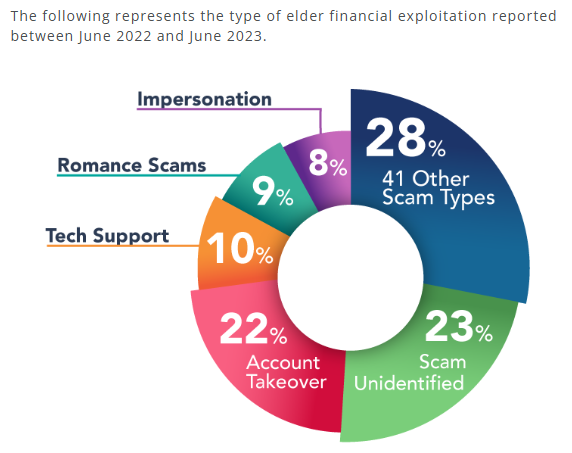 Knowing how common scams work can help older adults, family members, and friends recognize potential fraud before money is lost.
Imposter Scams
Someone claims to be from the government, your bank, a company you know, or even a family member. They may use personal information to sound convincing, ask you to keep the conversation secret or pressure you to act immediately. Scammers may request payment through wire transfers, gift cards or cryptocurrency – all methods that can be difficult or impossible to recover once money is sent.
Romance Scams
A scammer builds a relationship with someone online and eventually asks for money, often claiming to have an emergency or financial problem. Be cautious of quick declarations of love, excuses for never meeting in person, and requests for money, gift cards or financial assistance.
Phishing Scams
Fake emails, text messages or letters may try to trick you into clicking a link, opening an attachment or sharing personal information. Watch for unexpected messages, strange links, poor spelling or grammar, and requests for personal or financial information.
Prize Scams
You’re told you’ve won a prize or lottery but must pay fees or taxes to receive your winnings. Remember, if you have to pay money to receive a prize (or you never entered the sweepstakes in the first place) it’s likely a scam.
Fake Tech Support Scams
A scammer contacts you about a supposed virus or problem with your computer and asks you to pay for assistance or give them remote access to your device. Don't click suspicious links or pop-up alerts, download unfamiliar software, or give remote access to someone who contacts you unexpectedly.
Home Repair Scams
Someone may offer home repairs or inspections you don't need, often following a storm or natural disaster. They may pressure you to make a quick decision or request a large payment upfront. Be cautious of unsolicited offers, high-pressure sales tactics, and requests for significant upfront payments.
How to Protect Against Fraud
When a request for money feels urgent or unusual, take a step back. Fraudsters often count on people feeling rushed, afraid or embarrassed. Awareness, open communication and taking a moment to verify a request can make all the difference.
These simple precautions can help prevent fraud:
 Confirm who you're speaking with. If someone claims to be from a company you know or a family member in trouble, contact them directly using a phone number you already know. You can also check with another trusted family member before taking action.
Ask questions. Scammers want to move quickly. Taking time to ask questions and verify the situation can help expose a scam.
Never share personal information unexpectedly. Only provide personal or financial information when you initiated the contact and you know and trust the person or organization you’re communicating with.
Don't rush into financial decisions. It's okay to say no, ask for more information, or take time to think. If something doesn't feel right, pause before acting.
Talk about scams. Conversations about fraud can sometimes feel uncomfortable, but talking openly about scams can help protect the people we care about.
At Oak Bank, we encourage clients to pause before sending money when something doesn't seem right. If you or someone you know is concerned about a suspicious transaction or possible fraud, contact us as soon as possible.
Take Action When Needed
If you think you or someone close to you has been a victim of a financial scam or fraudulent activity, take these steps right away:
- Contact Oak Bank at 608.441.6000 or bank@oak.bank to secure your accounts.
- Check your credit report for unfamiliar accounts or activity.
- Report the scam to the Federal Trade Commission at ReportFraud.ftc.gov or 1.877.FTC.HELP.
- Continue monitoring your accounts and report any suspicious activity as soon as possible.
The best defense against fraud is often simply taking the time to pause and verify. When something feels urgent, secretive, or too good to be true, trust your instincts and ask questions before taking action.

